
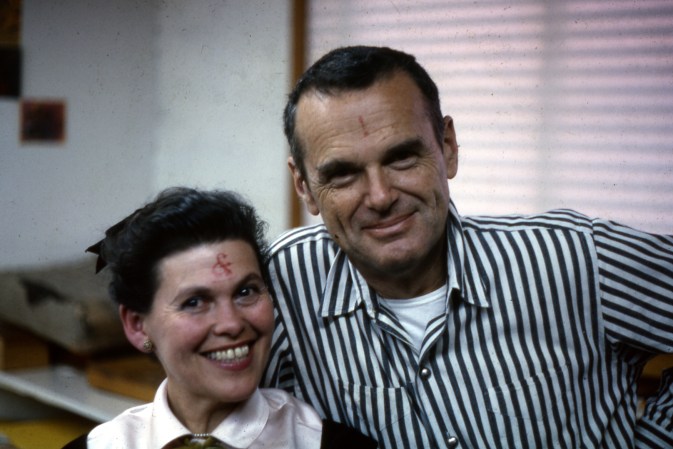
Born on June 17th, 1907, Charles Eames was a design world tour de force. Working with his wife, Ray, he was a champion of systems design before such a thing even had a name, and together the pair worked across media, shooting films, manufacturing furniture, designing houses, training clowns. You know. The usual.
Jason deCaires Taylor casts giant cement sculptures that weigh thousands of pounds — and then sinks them into the ocean. His idea: to create a unique underwater gallery that algae, corals and other sea creatures can call home.
Personal DNA testing machines are bringing lab-grade genetic science within reach of more people. A look at how a farmer is using DNA testing to cultivate the most elusive — and prized — of foods.
“We’re in this exciting moment where we’ve had 40 years of being ‘tough on crime,’ and we’ve finally come to recognize that it really hasn’t worked very well,” says sociologist Alice Goffman bluntly. America needs to think differently.
Yes, plastic straws are bad, but they’re just a teeny drop in the giant ocean of plastic we’re swimming in. Here are other everyday plastic objects that we could put on the discontinued list.
Ever worry that your kid is a jerk? Or wish they’d send a thank-you note without your forcing them to do it? Empathy can be developed and encouraged in young people. Psychiatrist Daniel Siegel and social worker Tina Payne Bryson explain how.
People are living longer thanks to improvements in healthcare, nutrition and technology. This population shift brings with it incredible possibilities — but also a new set of challenges. So … How do we care for our elderly?
When I ask couples who are monogamous if they have negotiated their monogamy, they look at me with confusion. They think that question should only be for couples who are open.
All medical technology carries a price. For implantable defibrillators — which are designed to deliver peace of mind — one of the biggest downsides is fear, says cardiologist Sandeep Jauhar. For patients, the question remains: What are you willing to give up to live a little longer?
Biohacker Andrew Pelling has figured out a way to create living, functional biological objects that don’t exist in nature — without deliberately modifying DNA in any way. In one experiment, he uses apples and human cells to make ears. But what? And how? And why? Read on.